which do you prefer?🫣🫣🫣
Our take
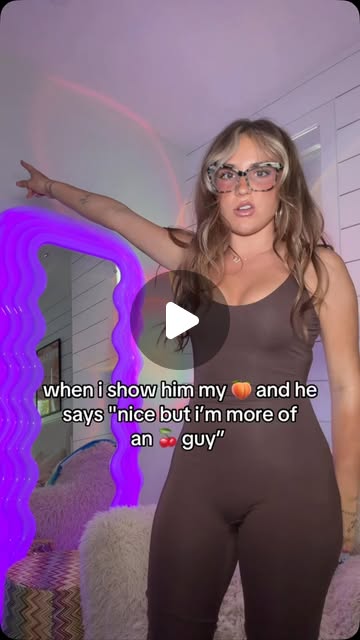
This seemingly simple Instagram post, “which do you prefer?🫣🫣🫣,” accompanied by a split image, encapsulates a fascinating shift in online engagement, particularly within Gen Z circles. The reliance on emojis, specifically the peeking face emoji, rather than explicit text, speaks volumes about the evolving language of the internet. It’s less about direct communication and more about creating a playful, interactive vibe that encourages immediate participation. The lack of context within the post itself forces the audience to interpret and fill in the blanks, fostering a sense of shared discovery and subtly prompting them to comment with their preference. This isn't just about choosing between two options; it’s about being *seen* to be choosing, participating in a trend, and signaling belonging within a community. This strategy aligns perfectly with the desire for authentic, relatable content – something we’ve observed in pieces like subscribe ig, which demonstrates the ongoing drive for increased visibility and audience interaction. Furthermore, the concise nature of the prompt mirrors the short-form video dominance of platforms like TikTok, indicating a broader trend toward bite-sized, instantly gratifying content.
The power of this approach lies in its simplicity and its ability to bypass traditional barriers to engagement. Asking a direct question requires more cognitive effort than simply reacting to an emoji-driven prompt. It’s a low-stakes invitation to participate, making it incredibly accessible. The visual element, whatever it depicts, is secondary to the interactive dynamic. We’ve seen similar strategies employed to drive engagement, like in Favorite movie shirt for wandering around, where the focus is less on the shirt itself and more on the humorous anecdote surrounding it, prompting responses and connection. It’s also interesting to consider this in relation to influencer marketing, where authenticity and relatability are increasingly valued. The use of emojis and ambiguous prompts can feel more genuine than a heavily scripted advertisement, contributing to a sense of transparency and fostering a stronger connection with the audience. The post's dependence on visual cues further reinforces the increasingly visual nature of social media, where imagery often communicates more than words ever could. This signals a move away from lengthy captions and towards a more intuitive, visually driven form of communication.
The broader significance of this trend is a reflection of how Gen Z and younger generations consume and interact with online content. They’ve grown up in a world saturated with information, and their attention spans are shorter than ever. They crave experiences that are quick, easy, and engaging. This type of post caters perfectly to that desire, offering a low-effort opportunity to participate and connect with others. It's also a brilliant example of how creators are leveraging the power of ambiguity to spark curiosity and drive engagement. The lack of explicit information creates a sense of anticipation and encourages users to speculate and share their own interpretations. This taps into a fundamental human desire for storytelling and meaning-making. Brands and creators who can master this subtle art of prompting interaction without being overly prescriptive will likely find themselves enjoying significant success in the increasingly competitive social media landscape, as also demonstrated by the community building seen in @belliwellihealth #belliwelli.
Looking ahead, we can expect to see even more experimentation with ambiguous prompts and emoji-driven engagement strategies. The lines between content creation and audience participation will continue to blur, as platforms prioritize interactive experiences and reward creators who can foster a sense of community. It’s likely we’ll see more sophisticated uses of AI to analyze audience responses and tailor prompts in real-time, further optimizing engagement. The question becomes: how far can this trend be taken before it loses its authenticity and feels manufactured? Will audiences eventually tire of the ambiguity and crave more direct communication? Or will this playful, interactive style become the new normal, fundamentally reshaping the way we connect and share online?

Read on the original site
Open the publisher's page for the full experience